

Building a successful private label supplement brand involves more than launching individual products. Brands also need a clear product strategy that connects customer needs, product positioning, packaging, and manufacturing capabilities. For supplement importers, wholesalers, distributors, and wellness businesses, a well-planned product portfolio can make purchasing, merchandising, and future product development easier to manage.
Rather than adding products simply to increase catalogue size, businesses should consider how each supplement fits the brand’s overall purpose. A focused portfolio can help communicate what the brand offers, create a consistent visual identity, and provide a practical framework for working with an OEM supplement manufacturer.
1. Start With a Clear Brand Positioning Strategy
Before selecting products, define what your brand stands for and which customers you want to serve. A brand targeting general wellness retailers may require a different product assortment from one focused on sports nutrition, women’s wellness, or specialized nutrition categories.
Start by answering three questions: Who is the intended customer? What product needs does the brand aim to address? Why should buyers consider this product range rather than another supplier’s offering?
Your answers should guide product selection, pricing, packaging, and communication. For example, a women’s wellness brand may organize its portfolio around daily nutrition, digestive wellness, and life-stage-specific products, provided each product is appropriately formulated and marketed for its intended use.
These categories are examples of portfolio organization, not evidence that every category will perform well in every market. Validate product ideas through buyer feedback, competitor research, target-market analysis, and commercial feasibility assessments.
A clear positioning statement also helps prevent the catalogue from becoming a collection of unrelated products. Each new SKU should have a defined role within the wider brand strategy.
2. Build a Focused Product Portfolio Before Expanding
Launching too many products at once can increase the complexity of purchasing, inventory management, packaging coordination, and marketing. A more structured approach is to begin with a manageable group of products that supports the brand’s core positioning.
When planning a portfolio, consider organizing products into three levels:
-
Core products: Products that represent the brand’s primary category and positioning.
-
Complementary products: Products that fit the same audience and may naturally sit alongside the core range.
-
Future development opportunities: Concepts that can be explored after demand, operational requirements, and commercial feasibility have been evaluated.
This framework can help brands prioritize development resources and avoid expanding into unrelated categories too early.
Before adding a product, assess whether it serves an identifiable purpose within the portfolio. Consider target customer overlap, differentiation, expected purchase behavior, production requirements, and the cost of maintaining an additional SKU.
For B2B buyers, portfolio planning should also reflect the needs of the distribution channel. A wholesaler may prioritize a coherent range that is easy to present to retail customers, while an e-commerce brand may consider how product pages, bundles, and category navigation work together.
3. Differentiate Products Through More Than Ingredient Names
Many supplement products can appear similar when their labels feature familiar ingredients and broad wellness language. Differentiation should therefore begin with a clear product brief rather than relying solely on adding more ingredients.
Brands can evaluate several possible areas of differentiation, including the intended customer group, ingredient specifications, dosage form, serving format, packaging, and overall product experience.
For example, two products in the same broad category may have different target audiences or packaging requirements. One may be designed around a simple daily-use format, while another may require a different serving configuration or customized presentation.
However, a more complex formula is not automatically a better product. Every ingredient should have a clear rationale, and the proposed formula should be reviewed for technical feasibility, safety, and compliance in the intended market.
Brands should also avoid copying competitors’ packaging, branding, or proprietary product identity. Competitor analysis is useful for identifying category conventions and potential gaps, but differentiation should be developed around the brand’s own strategy and substantiated product characteristics.
4. Select Dosage Forms That Fit the Product Concept
Dosage form is an important part of product positioning, but the format should be selected according to the formula and intended use rather than visual appeal alone.
Common supplement formats include hard capsules, softgels, tablets, effervescent tablets, gummies, powders, drops, and liquids. Each format has different technical, packaging, and production considerations.
Capsules and tablets may suit products designed for measured servings. Powders can be considered for drink mixes or products intended to be mixed before use. Gummies offer a chewable format, while liquids and drops may be appropriate for certain formulations and serving requirements.
When planning a portfolio, brands do not necessarily need to use a different dosage form for every product. A consistent format can simplify packaging decisions and help establish a recognizable range, provided the format is suitable for each formula.
Before finalizing a dosage form, discuss ingredient compatibility, serving size, packaging, manufacturing availability, and any relevant stability or storage considerations with the supplier.

5. Create a Consistent Packaging and Visual Identity
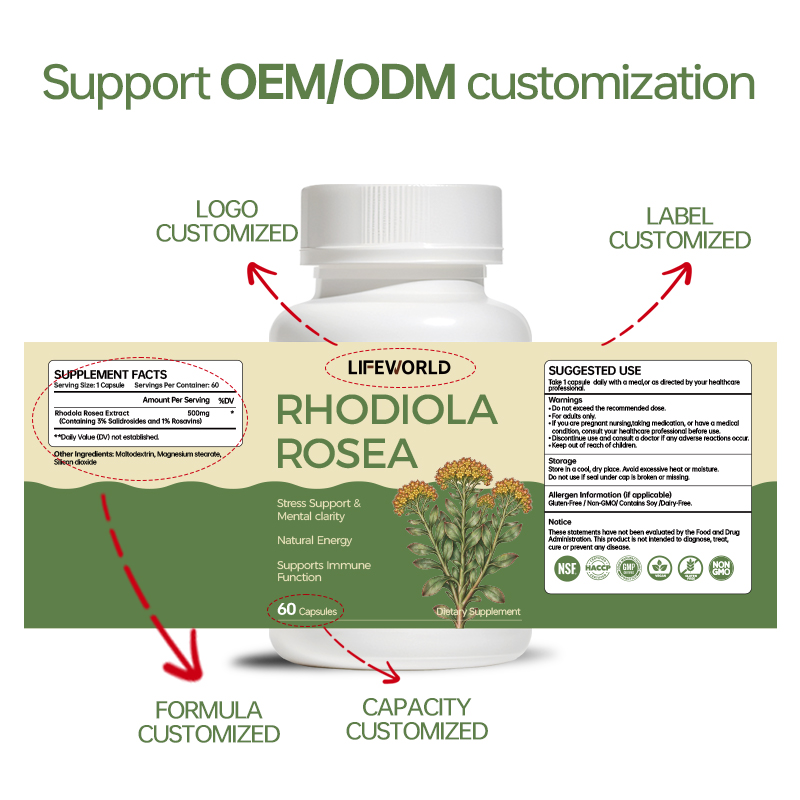
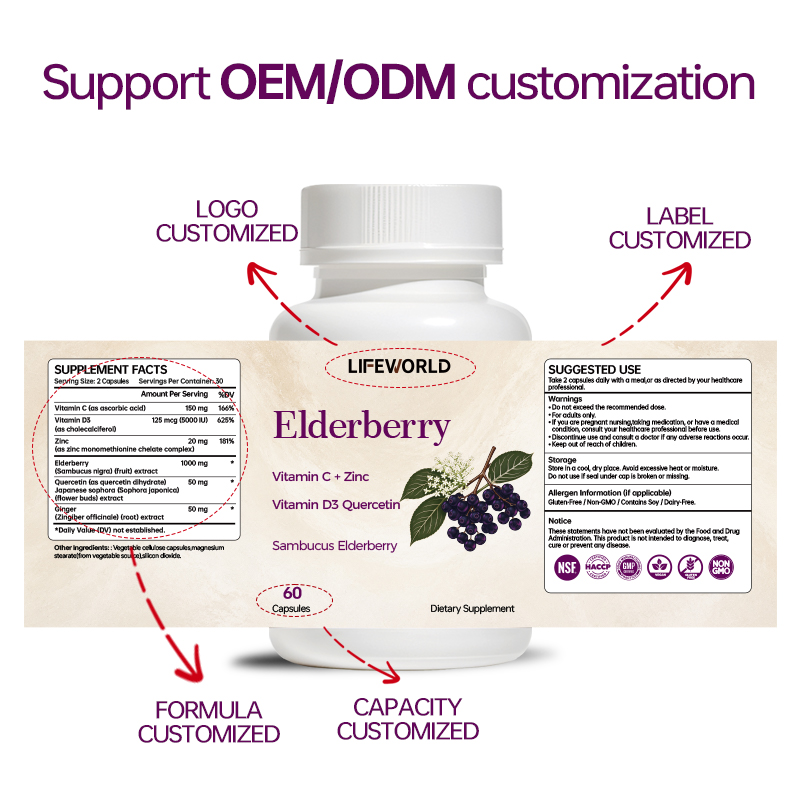
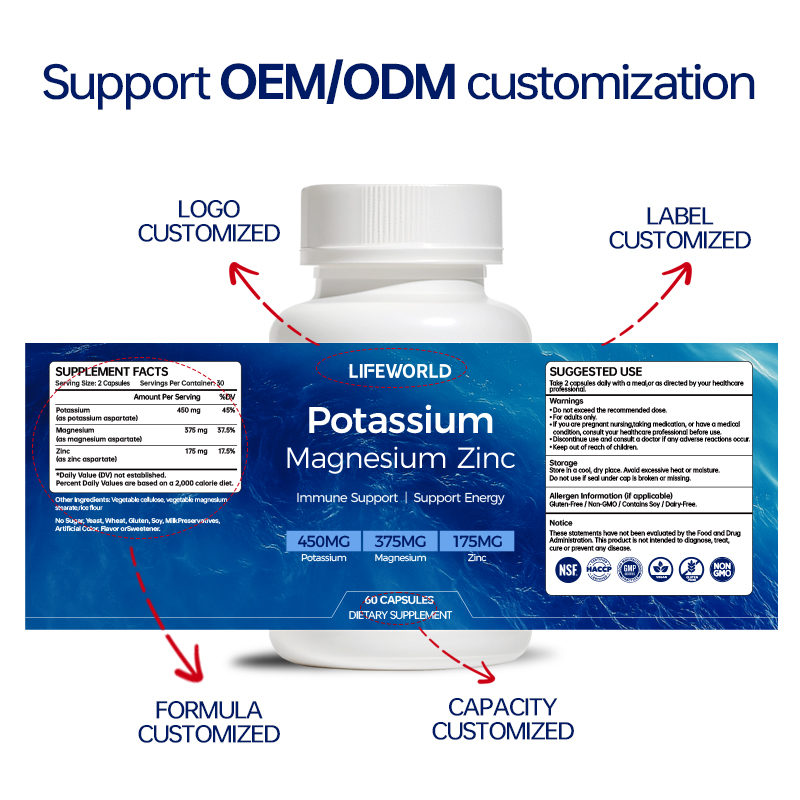
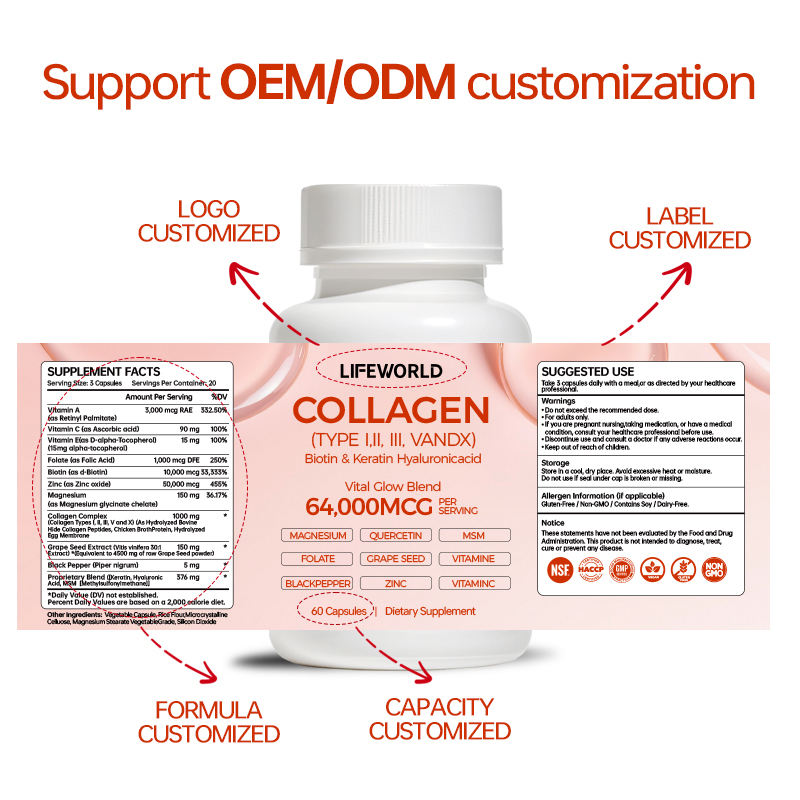
Packaging helps connect individual products into a recognizable brand. A consistent logo, typography system, label structure, and visual hierarchy can make a product range feel coordinated even when individual products serve different purposes.
One approach is to establish a shared packaging framework and use selected visual elements to distinguish product categories. For example, a brand might maintain the same logo placement and label structure while using different colors for daily nutrition, digestive wellness, and other product groups.
The final design should reflect the target audience, sales channel, and positioning. A visual system intended for pharmacy distribution may differ from one designed for a direct-to-consumer wellness brand.
Packaging planning should also account for practical requirements. Container availability, label dimensions, serving count, ingredient declarations, and market-specific labeling obligations all need to be considered before artwork approval.
For businesses working with an OEM supplement manufacturer, it is useful to establish packaging specifications early and confirm which customization services the supplier can actually provide. Changes made after artwork approval or production preparation may affect cost and timing.
6. Evaluate Manufacturing Feasibility Before Adding New SKUs
A product portfolio must be commercially attractive and operationally manageable. Each new SKU can introduce additional ingredients, packaging components, specifications, documentation, and inventory requirements.
Before approving a new product concept, ask the manufacturer to assess its feasibility. Confirm whether the required dosage form is available, whether the proposed formula can be supported, and what order quantities and packaging arrangements apply.
Buyers should also compare quotations on an equivalent basis. Formula development, ingredient specifications, packaging customization, samples, testing, and other services may be priced differently between suppliers.
A portfolio with many small orders can create different purchasing and inventory demands from a range built around fewer, higher-volume products. The right approach depends on the business model, available budget, expected demand, and supplier arrangements.
It is also important to maintain clear product specifications and approved artwork for each SKU. Documented versions help buyers manage repeat orders and identify changes that may need review before production.
7. Use Buyer Feedback to Guide Future Product Development
Portfolio development should be an ongoing process rather than a one-time launch decision. Buyer inquiries, distributor feedback, sales data, repeat-order patterns, and product returns can provide useful information about how the range is performing.
For B2B brands, feedback from importers and retailers may reveal practical issues that are not obvious during initial development. These could include packaging preferences, demand for particular serving sizes, gaps in the product range, or difficulties presenting product information to end customers.
Evaluate feedback alongside commercial data rather than relying on individual comments alone. A request from one buyer may indicate an opportunity, but it does not necessarily establish broad market demand.
When considering a new SKU, compare its potential value with the additional development, purchasing, inventory, and marketing requirements. This can help prioritize product extensions that fit the brand’s positioning and resources.
Working With an OEM/ODM Supplement Manufacturer
Guangzhou Meichuntang Biotechnology Co., Ltd., associated with Orange Vita, describes its services as including OEM and ODM support, customized formulas and packaging, private label manufacturing, and multiple dosage forms. Brands considering a product portfolio project should confirm the company’s current capabilities, available formats, project requirements, and commercial terms directly with the supplier.
A useful starting point is to prepare a product roadmap that lists the proposed SKUs, target markets, preferred dosage forms, packaging concepts, and estimated order quantities. The manufacturer can then review the specific requirements and identify which details need further discussion.

Final Thoughts
A distinctive private label supplement portfolio is built through clear positioning, focused product selection, appropriate dosage forms, consistent packaging, and realistic manufacturing planning. Adding more products is not necessarily the best way to strengthen a brand; each SKU should contribute to a coherent strategy.
For supplement brands, importers, and distributors, a structured product roadmap can help organize development priorities and supplier discussions. By combining market research, buyer feedback, documented specifications, and careful feasibility assessment, businesses can build a portfolio that is easier to manage and better aligned with their commercial objectives.