

Developing a custom dietary supplement formula can help brands create products that align with their target customers, brand positioning, and distribution strategy. However, successful product development requires more than combining popular ingredients. Buyers need to consider ingredient specifications, dosage form, serving size, manufacturing feasibility, packaging, budget, and the requirements of their intended markets.
For supplement brands, importers, wholesalers, and distributors, preparing a clear development brief before contacting an OEM supplement manufacturer can make discussions more productive. It also helps both parties identify technical questions and commercial considerations before committing to a production order.
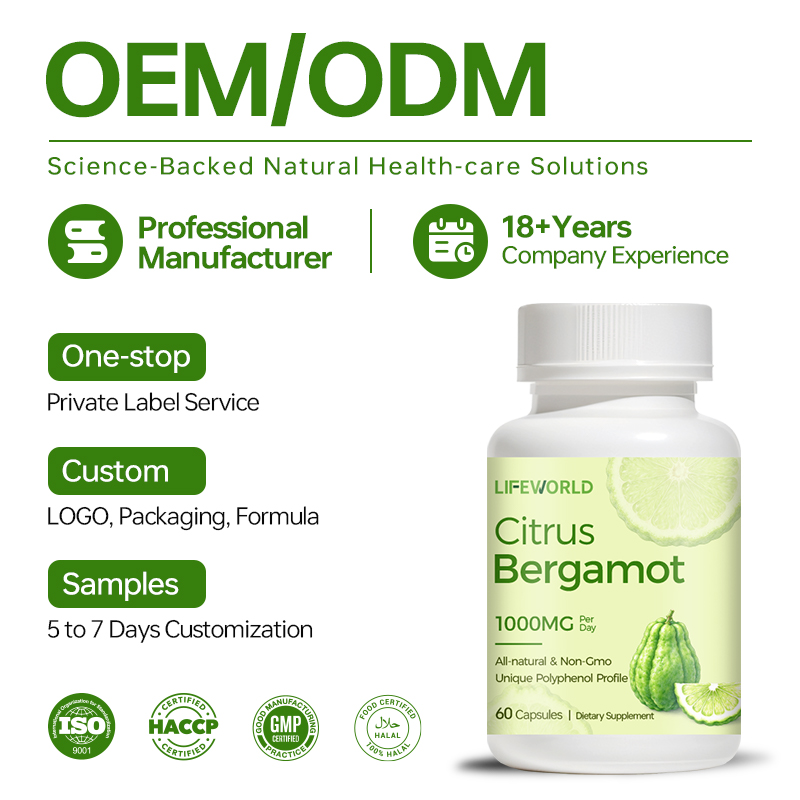
1. Define Your Product Concept Before Selecting Ingredients
The first step in custom supplement formulation is to clarify what the product is intended to offer and who it is designed for. A clear concept gives the development team a framework for evaluating ingredient options and product specifications.
Start by identifying your target market, intended customer group, sales channels, and product positioning. For example, a brand developing a daily nutrition supplement may prioritize a convenient serving format, while a sports nutrition brand may focus on a powder-based product designed for mixing.
Your initial product brief should include:
- Target country or region
- Intended customer group and product category
- Desired product positioning and compliant benefit statements
- Preferred ingredients, if already identified
- Preferred dosage form and serving size
- Packaging format and approximate unit count
- Target retail price and estimated order quantity
It is also helpful to review competing products to understand their ingredient declarations, dosage forms, packaging, and positioning. Competitor research can inform product planning, but copying another brand’s formula or marketing claims without appropriate review is not a substitute for original development.
The objective at this stage is to define the product’s commercial purpose without locking in technical details that still require assessment.
2. Evaluate Ingredient Selection and Specifications
Ingredient selection affects the formulation, manufacturing process, cost, and final product specifications. Popularity alone is not enough to establish whether an ingredient is suitable for a particular product.
When evaluating an ingredient, consider its intended role in the formula, available specifications, source, compatibility with other ingredients, and suitability for the destination market. Buyers should also clarify whether they have a preferred ingredient form, grade, or supplier requirement.
For a custom formula, useful questions include:
- What ingredient specifications are available?
- Can the proposed ingredients be used together in the selected dosage form?
- Are there relevant restrictions in the intended market?
- What supporting documentation can be provided?
- Could ingredient availability or specification choices affect the estimated cost?
Ingredient names can sometimes refer to materials with different forms or specifications. Therefore, the final formula should identify the intended ingredients clearly rather than relying on broad category names alone.
Brands should also avoid selecting ingredients solely because they appear frequently in online searches. Product decisions should consider the evidence supporting proposed claims, customer needs, regulatory restrictions, and the practical requirements of manufacturing.
3. Choose a Suitable Dosage Form
The dosage form determines how the product is presented and used, and it can influence formula design, packaging, production feasibility, and cost.
Common dietary supplement formats include hard capsules, softgels, tablets, effervescent tablets, gummies, powders, drops, and liquids. Each format has different technical considerations, and not every ingredient combination is suitable for every format.
Capsules may be considered when the intended serving can be accommodated in the selected capsule size. Tablets require consideration of the formulation’s physical properties and manufacturing requirements. Powders may be suitable for drink mixes or other products intended to be measured and mixed. Liquid products require attention to the formulation, container compatibility, and relevant handling requirements.
When discussing dosage form options with an OEM supplement manufacturer, confirm:
- Whether the manufacturer supports the proposed format
- Whether the ingredient combination is technically suitable
- How the intended serving size affects the product format
- Which packaging options are compatible with the product
- Whether additional development or evaluation is needed
The final decision should balance the intended product experience with technical feasibility and commercial objectives. A format that looks attractive in a marketing concept may need adjustment after the formula and manufacturing requirements are reviewed.
4. Understand Serving Size and Formula Feasibility
A proposed ingredient list needs to be evaluated as a complete formulation. The number and amount of ingredients can affect serving size, capsule or tablet dimensions, powder quantity, taste, texture, and packaging requirements.
For example, a formula containing many ingredients may require a larger serving or a different dosage form than initially planned. This can influence the number of capsules per serving, the container size, and the overall product cost.
Buyers should provide target ingredient amounts where these have already been established and ask the manufacturer to assess feasibility. If the formula is still at the concept stage, explain the product objectives and request a technical discussion before finalizing the specifications.
Do not assume that every proposed ingredient amount can be accommodated in the preferred format. The final formulation should be reviewed by appropriately qualified professionals, and any applicable safety, quality, and regulatory considerations should be addressed before commercialization.
The approved specification should clearly identify the formula version and serving information. This helps prevent misunderstandings when samples, labels, quotations, and production documents are prepared.
5. Consider Product Stability, Packaging, and Storage
Formulation and packaging should be developed together. The selected container, closure, label, and storage instructions need to be appropriate for the product’s characteristics and intended distribution conditions.
Depending on the ingredients and dosage form, factors such as moisture exposure, light, temperature, and packaging compatibility may need to be evaluated. The specific requirements should be determined for the product rather than assumed to be the same across all supplements.
Discuss the proposed packaging with the manufacturer before approving artwork. Confirm the container size, material, closure, label dimensions, serving count, and any relevant storage or handling requirements.
Where stability or packaging suitability data are needed, ask the supplier what information is available and whether additional evaluation is required. Do not assume that a particular shelf life or packaging performance can be guaranteed without appropriate supporting information.
Early coordination between formulation and packaging can also help reduce avoidable redesigns. If a formula changes, review whether the packaging, serving information, label copy, or product specifications need to be updated.
6. Evaluate the Commercial Impact of Customization
Custom supplement formulation can involve additional development work compared with selecting an existing product and applying a private label. The actual cost structure depends on the formula, ingredients, dosage form, packaging, order quantity, and services included in the project.
Before requesting a quotation, define the scope of customization. Are you using an existing formula, adjusting selected ingredients, developing a new formula, or requesting both formula and packaging customization? The answer can affect the information the supplier needs and the way the quotation is structured.
Ask the manufacturer to clarify the following items:
- Formula development or revision charges, if applicable
- Sample fees and revision arrangements
- Ingredient and packaging costs
- Minimum order quantities for the product and packaging
- Manufacturing and labeling costs
- Testing or documentation costs, where applicable
- Payment terms and estimated production schedule
Compare quotations using equivalent product specifications. A lower unit price may reflect differences in ingredient specifications, packaging, order quantity, or included services.
For private label brands, the goal is to establish a commercially viable product without compromising the requirements that matter to the brand. A written quotation and agreed specification provide a clearer basis for making that decision.
7. Review Regulatory and Labeling Requirements Before Launch
A formula that is technically feasible is not automatically suitable for every market. Ingredient restrictions, permitted claims, labeling requirements, and other regulatory obligations can vary across jurisdictions and product categories.
Before approving a formula, identify the intended sales markets and review the relevant requirements. Health-related statements should be assessed for appropriate substantiation and compliance. The ingredient declaration, serving information, warnings, and other required label details should also be checked against the final formula and applicable rules.
A manufacturer may provide product specifications and supporting technical documents, but buyers should not assume that supplier assistance alone establishes compliance in every destination market.
For products intended for multiple countries, regulatory review should take place early enough to inform ingredient selection and label development. Qualified regulatory professionals may be needed where requirements are complex or uncertain.
Working With an OEM/ODM Supplement Manufacturer
Guangzhou Meichuntang Biotechnology Co., Ltd., associated with Orange Vita, describes its services as including OEM and ODM support, customized formulas and packaging, private label manufacturing, and several dosage forms. Buyers interested in a custom formulation should confirm current technical capabilities, available ingredient options, documentation, minimum order requirements, and project terms directly with the company.
When approaching any OEM/ODM supplier, provide a clear product brief and distinguish confirmed requirements from preferences that can be adjusted. This gives both parties a more practical starting point for discussing formula feasibility, samples, packaging, and commercial terms.
Final Thoughts
Custom supplement formulation requires coordination between product positioning, ingredient selection, dosage form, serving size, packaging, quality considerations, and regulatory review. Defining these elements early can help brands make informed decisions before moving into sampling and production.
For supplement brands, importers, and distributors, a detailed product brief is one of the most useful tools for starting the development process. Share your target market, intended product concept, preferred ingredients, dosage form, packaging expectations, and estimated order quantity with a qualified manufacturing partner.
A structured discussion can help identify open questions, clarify the scope of customization, and establish a stronger foundation for developing a private label supplement that fits your business objectives.
Subscribe to our newsletter!