Launching a private label supplement is more than choosing a formula and placing a manufacturing order. For supplement brands, distributors, and wholesalers, a successful launch requires coordination across product development, manufacturing, packaging, regulatory review, marketing content, and inventory planning.
A clear preparation process helps businesses reduce avoidable delays, communicate more effectively with manufacturing partners, and bring a product to market with consistent information.
Whether you are introducing a new product category or expanding an existing supplement portfolio, the following steps can help you prepare for your next private label supplement launch.
1. Define Your Product Concept and Target Market
Start with a clear product brief. Before contacting a manufacturer, identify what type of supplement you want to develop and who you intend to serve.
Consider the following questions:
-
Which product category are you targeting, such as vitamins, herbal supplements, minerals, or women’s wellness?
-
Who are your intended customers?
-
Which markets will you sell in?
-
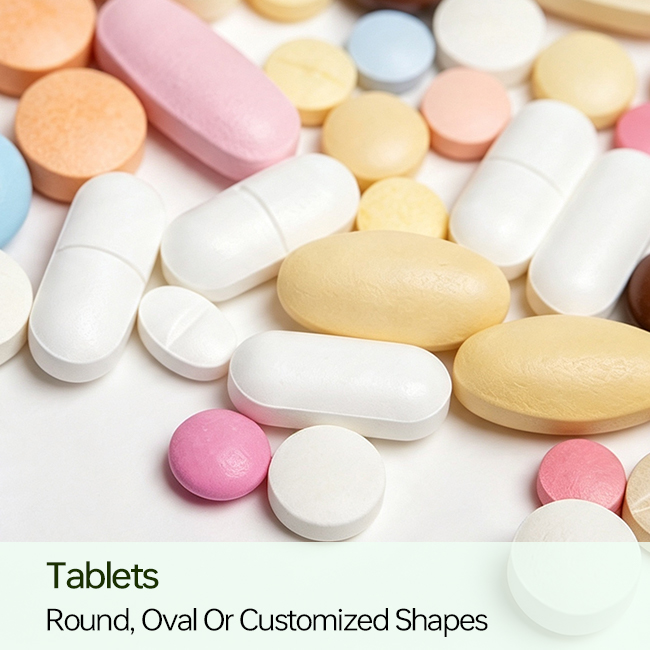
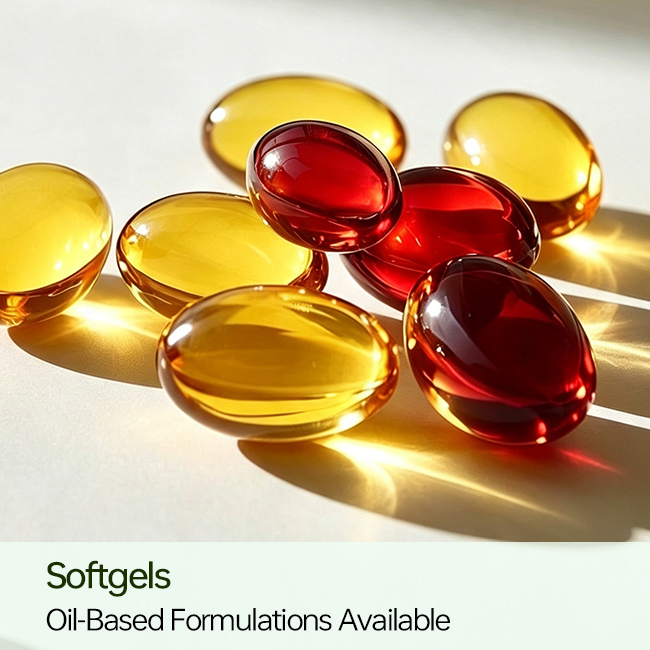
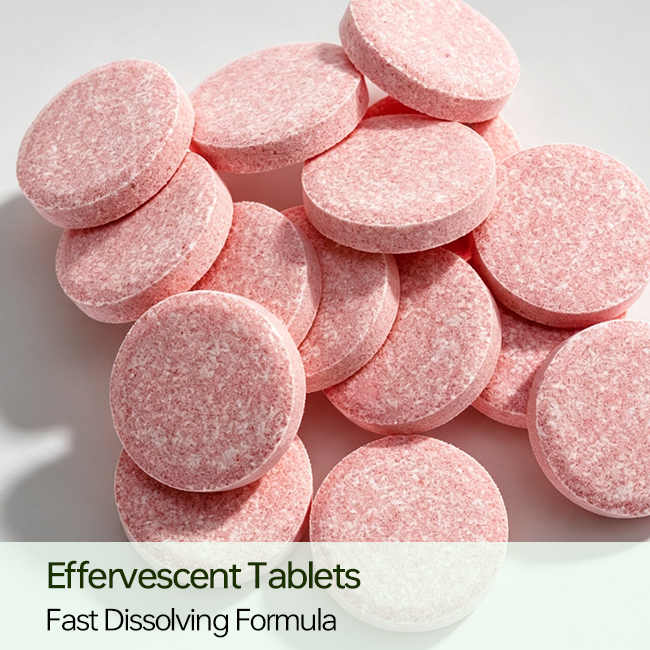
What dosage form best suits your product concept?
-
Will you use an existing formula or request a customized formulation?
-
What packaging format and product size are appropriate for your brand?
Your target market can influence ingredient selection, dosage form, label requirements, packaging preferences, and product positioning.
For example, a brand developing a daily nutrition product may prioritize a convenient dosage form and straightforward product information. A specialist herbal supplement range may require more detailed ingredient specifications and sourcing discussions.
A written product brief gives your manufacturing partner a clearer understanding of your expectations and provides a reference for later decisions.
2. Confirm the Formula and Product Specifications
Once the product concept is defined, the next step is to confirm the formula and technical specifications.
A product specification should cover the key details needed for development and production, including:
-
Ingredient names and quantities
-
Serving size and recommended use
-
Dosage form
-
Product strength and composition
-
Target packaging quantity
-
Flavor or other sensory requirements, where applicable
-
Relevant quality and testing expectations
If you are considering a custom formula, discuss ingredient availability, formulation feasibility, and technical requirements with the manufacturer before finalizing the project.
For an existing formula, request the available product specifications and supporting documentation. Make sure the formula details used in your marketing materials match the product that will actually be manufactured.
Do not assume that a formula suitable for one market can automatically be sold in another. Ingredient permissions, maximum levels, labeling rules, and product classification may differ by destination market. The brand owner should arrange an appropriate regulatory review for each intended market.
3. Review Labeling and Regulatory Requirements
Label preparation is an important part of supplement launch planning. Product labels communicate essential information to customers and may be subject to specific requirements in the markets where the product will be sold.
Depending on the destination market and product category, relevant label elements may include:
-
Product identity
-
Ingredient list
-
Supplement or nutrition facts panel, as applicable
-
Serving size and directions for use
-
Allergen information, where required
-
Net quantity
-
Manufacturer, distributor, or responsible business details
-
Required warnings and other market-specific statements
Health and marketing claims also need careful review. Avoid disease-treatment or prevention claims unless they are specifically permitted under the applicable regulatory framework. A claim that appears acceptable in one country may not be acceptable in another.
Before printing packaging, have the final label reviewed by a qualified regulatory professional familiar with the intended market. Confirm that the approved artwork matches the final formula and product specifications.
4. Select a Manufacturing Partner and Confirm Project Details
The manufacturing partner plays an important role in turning a product concept into a finished supplement.
When evaluating an OEM or ODM supplier, look beyond the initial quotation. Discuss the supplier’s product experience, available dosage forms, production arrangements, quality management practices, documentation, and communication process.
Questions to clarify include:
-
Can the manufacturer support the required dosage form?
-
Can it work with the proposed formula and ingredients?
-
What product specifications and quality documents can it provide?
-
Which production and packaging services are available?
-
What are the minimum order requirements?
-
What are the estimated production and delivery arrangements?
-
How are formula confidentiality and intellectual property handled?
Make sure important project details are confirmed in writing. These may include the approved formula, packaging specifications, artwork version, order quantity, quality expectations, and agreed schedule.
Guangzhou Meichuntang Biotechnology Co., Ltd. describes its services as including OEM and ODM support, customized formulas and packaging, product development, and documentation assistance. Its company information also describes production capabilities across several dosage forms, including capsules, tablets, effervescent tablets, powders, drops, and liquids. Buyers should confirm the current availability, technical suitability, documentation, and project scope directly with the supplier.
5. Finalize Packaging and Brand Presentation
Packaging is both a practical product requirement and an important part of brand presentation.
Before approving packaging artwork, check that the design is consistent with your brand identity and that all required product information is accurate.
Review these details carefully:
-
Bottle, pouch, box, or other packaging format
-
Packaging material and size
-
Label dimensions and placement
-
Brand logo and visual identity
-
Ingredient and product information
-
Barcode and other required identifiers
-
Print colors, readability, and artwork version
Request a final proof for review before mass production. Check spelling, ingredient quantities, serving information, and required statements rather than focusing only on visual appearance.
If you are launching multiple products, consider building a consistent packaging system. A recognizable design structure can help customers identify products within the same brand portfolio while allowing each product to communicate its own category and purpose.
6. Prepare Product Content Before Inventory Arrives
A product launch also requires accurate and useful sales content. Preparing product information early can make the transition from manufacturing to marketing more organized.
For an e-commerce product page or B2B catalog, prepare:
-
A clear product title
-
A concise product overview
-
Ingredient and specification details
-
Key product features using compliant language
-
Directions for use and relevant cautions
-
Packaging and customization information
-
Product images and label visuals
-
Frequently asked questions for buyers
Keep all content consistent with the final approved formula and label. Do not publish ingredient quantities, certifications, benefits, or manufacturing claims that have not been verified.
For B2B brands, distributors, and wholesalers, it can also be useful to prepare a product specification sheet and a document checklist for buyer inquiries. This helps sales teams respond to common questions about formulation, packaging, and manufacturing arrangements.
7. Coordinate Inventory, Logistics, and Launch Timing
A launch plan should account for more than the production date. Packaging approval, production arrangements, quality checks, shipping, customs procedures, and warehouse receiving can all affect when a product becomes available for sale.
Before confirming a launch date, discuss the expected schedule with your manufacturing and logistics partners.
A practical launch timeline may include:
-
Product concept and supplier discussion
-
Formula and specification confirmation
-
Label and packaging review
-
Order confirmation and production planning
-
Manufacturing and applicable quality checks
-
Shipping and warehouse receiving
-
Product page preparation and launch
The exact schedule will depend on the formula, packaging, order requirements, production arrangements, destination market, and shipping method. Build in time for revisions rather than planning around an unconfirmed delivery date.
Also consider your initial inventory strategy. Estimate expected demand using your available market research, sales channels, and business resources. Avoid ordering quantities based only on optimistic sales assumptions.
8. Monitor the Product After Launch
The launch is not the end of product development. Once the product is available, monitor customer feedback, buyer questions, sales-channel performance, and any quality-related concerns.
Useful areas to review include:
-
Customer questions about ingredients and product use
-
Feedback on packaging and product presentation
-
Distributor and wholesale buyer responses
-
Inventory movement and replenishment needs
-
Product-page engagement and conversion performance
-
Quality complaints or recurring product issues
Use this information to improve product descriptions, customer support materials, packaging decisions, and future product development.
For brands building a larger supplement portfolio, post-launch feedback can also help identify opportunities for related products or improvements to existing formulations.
Final Thoughts
A successful private label supplement launch depends on careful preparation and clear communication. Defining the product concept, confirming specifications, reviewing labels, selecting a suitable manufacturing partner, and preparing marketing and inventory plans can help businesses manage the process more effectively.
For supplement brands and distributors, working with an experienced OEM or ODM partner can provide support across product development, formulation discussions, packaging, and manufacturing coordination. The most important step is to confirm each project’s requirements and responsibilities before production begins.
Guangzhou Meichuntang Biotechnology Co., Ltd. provides OEM and ODM services for businesses developing healthcare products. Companies interested in private label supplement projects can discuss their product concepts, dosage-form requirements, formula needs, and packaging plans with the supplier.
Planning a private label supplement project? Prepare your product brief and discuss your requirements with a manufacturing partner before moving into production.