

Choosing a suitable supplement manufacturing partner is an important decision for brands, distributors, importers, and wholesalers entering the dietary supplement market. Beyond production, businesses often need support with product development, customized formulations, packaging, documentation, and coordination throughout the manufacturing process.
Guangzhou Meichuntang Biotechnology Co., Ltd. is a healthcare product supplier providing OEM and ODM services for businesses developing supplement products. With experience in health food research and development, manufacturing coordination, and customized product solutions, the company works with customers on different product and packaging requirements.
This article introduces the company’s background, production-related capabilities, dosage forms, and OEM/ODM services to help potential business partners understand its manufacturing support.
1. Company Background and Experience
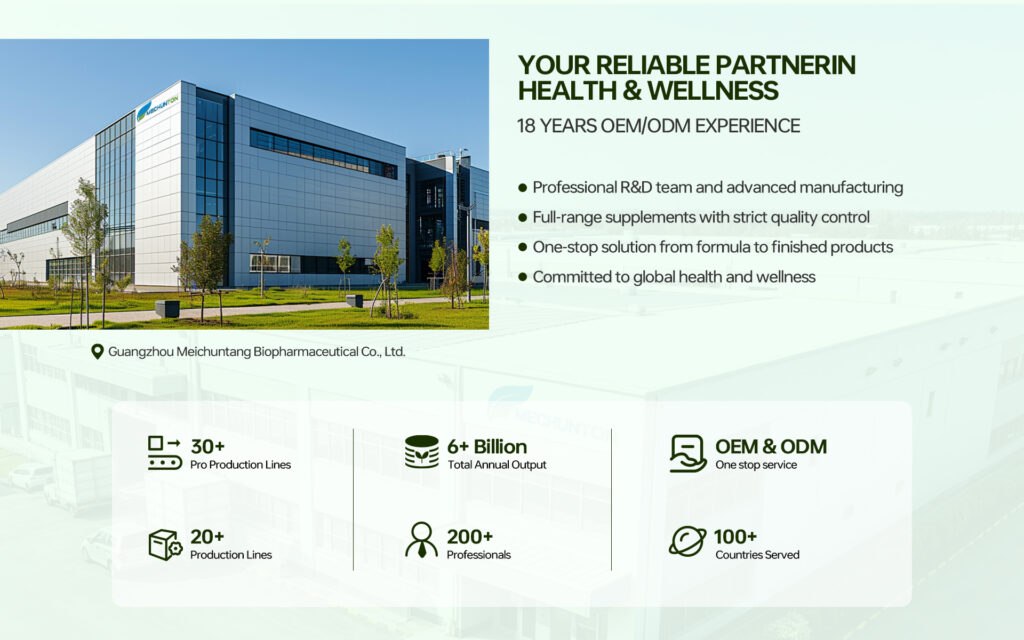
Guangzhou Meichuntang Biotechnology Co., Ltd. specializes in healthcare products and provides product development and manufacturing-related services for business customers.
According to the company’s introduction, its affiliated factory has more than 17 years of experience in production and distribution. The company also describes a commitment to health food research and development, supported by a technical research team and cooperation with domestic and international research institutions.
For supplement brands, an experienced manufacturing partner can help coordinate product requirements, formulation discussions, packaging arrangements, and production-related communication.
When evaluating a supplier, buyers should consider not only its stated experience but also whether its actual product capabilities, documentation, quality arrangements, and project terms match their requirements.
2. Production Environment and Manufacturing Support
Manufacturing conditions and production arrangements are important considerations when selecting a supplement supplier.
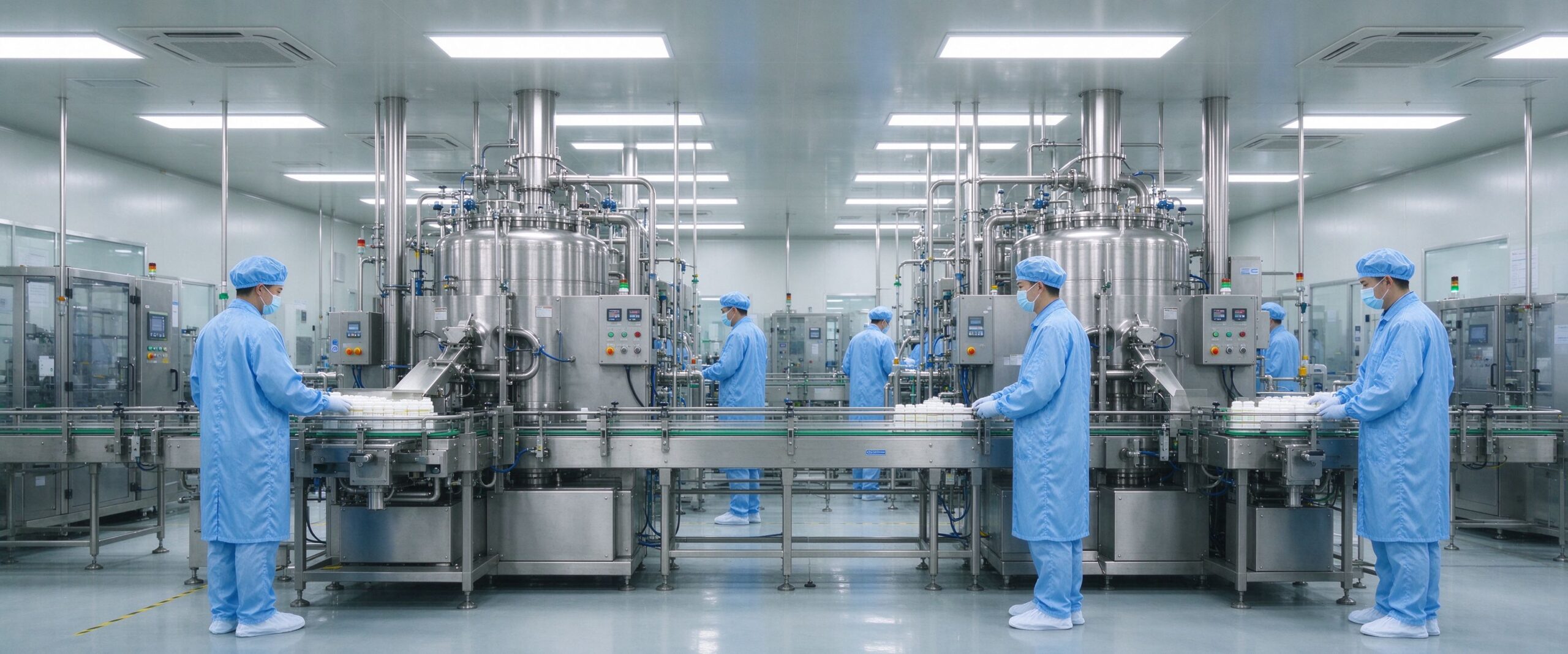
The company introduction describes an affiliated factory with an advanced production equipment setup and a Class 100,000 clean production workshop covering more than 5,000 square meters.
These details provide background on the factory environment described by the company. Buyers should request relevant facility information and supporting documents when evaluating a specific project, particularly when production conditions or certification scope are important procurement requirements.
A manufacturing assessment may include:
-
Production environment and facility information
-
Equipment and dosage-form capabilities
-
Production and quality management procedures
-
Raw material and finished-product specifications
-
Available testing and supporting documentation
-
Product-specific manufacturing arrangements
The suitability of a facility should always be assessed against the requirements of the actual product being developed.
3. Multiple Supplement Dosage Forms
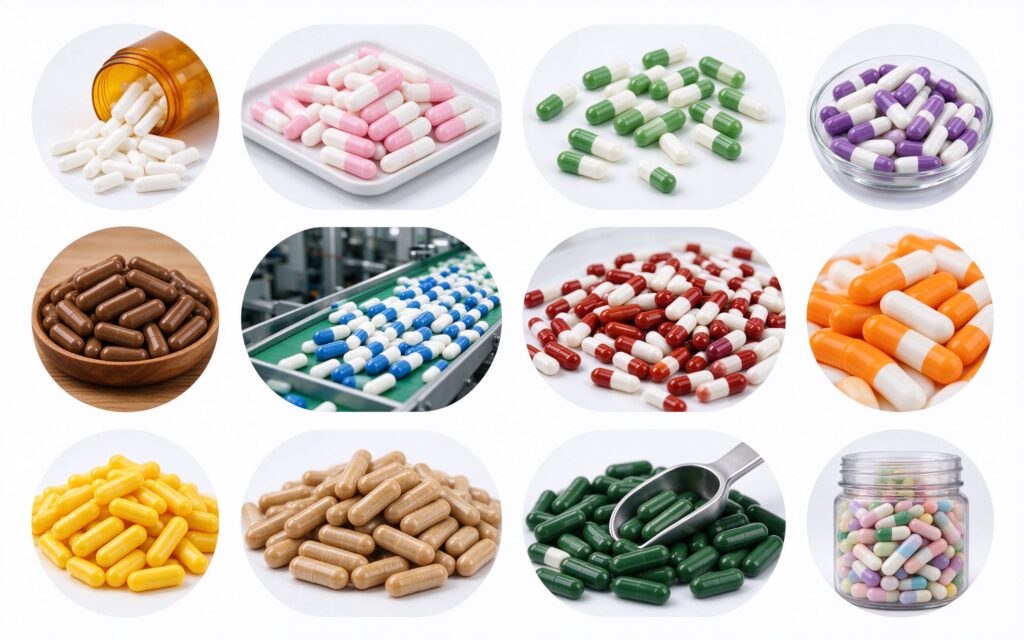
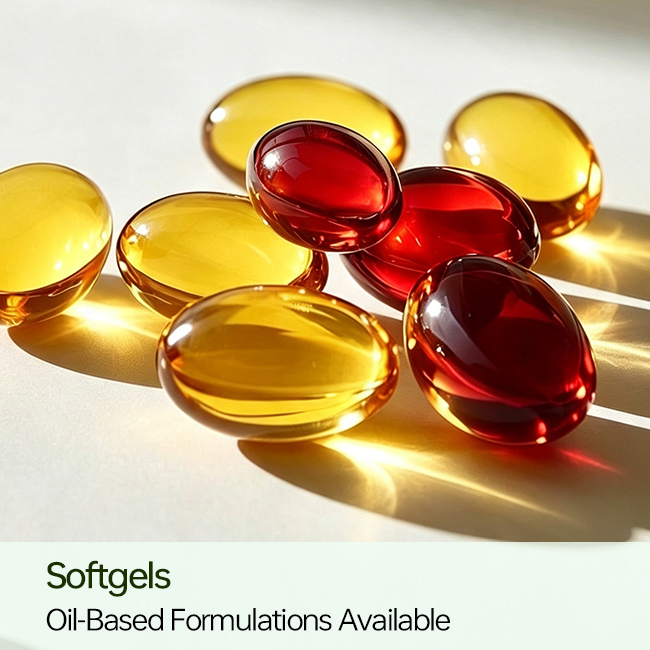
Different supplement categories require different dosage forms. A brand may choose a format based on its product concept, ingredient characteristics, target customers, and packaging preferences.
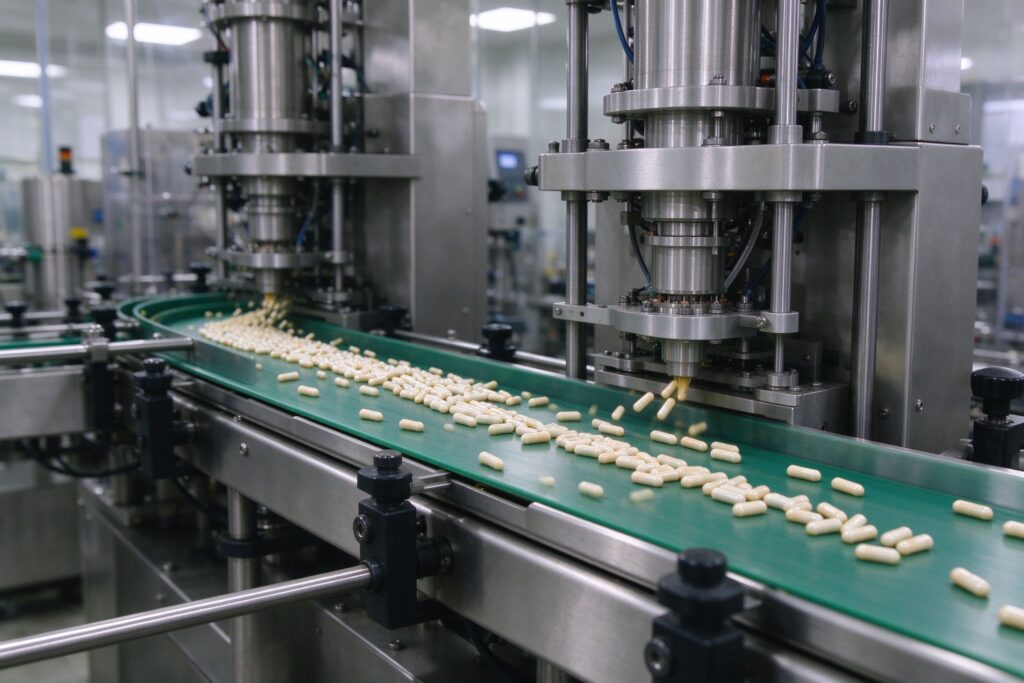
The company’s introduction lists production capabilities covering several dosage forms:
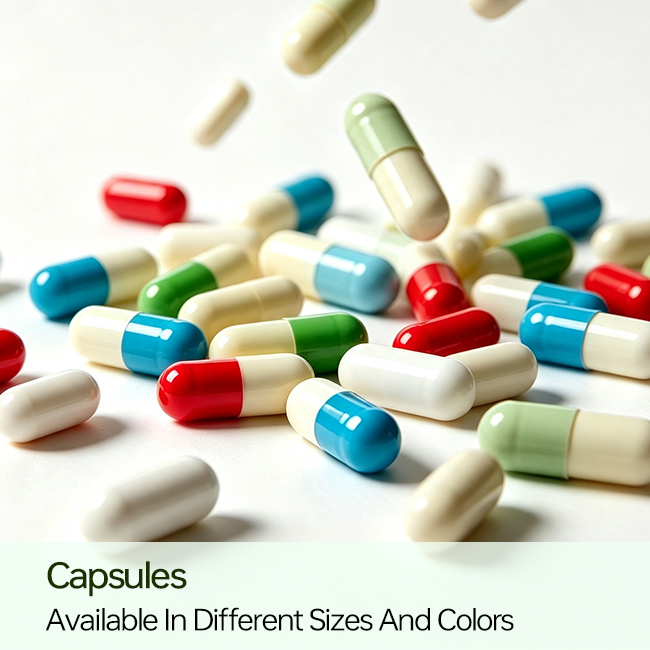
Capsules
Capsules are commonly used for products containing powdered ingredients, vitamins, minerals, and botanical materials. They can be considered for a variety of supplement categories.
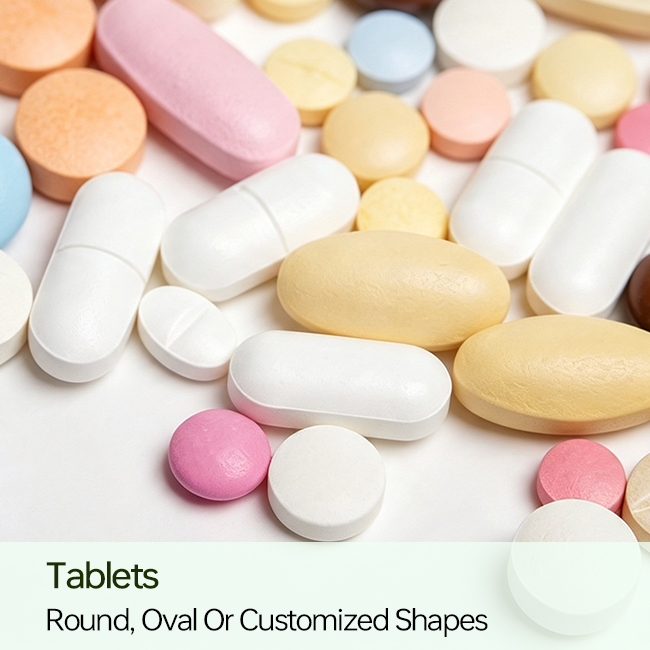
Tablets
Tablets provide a solid dosage format for products with defined serving sizes. Formulation and production requirements depend on the ingredients and product specifications.
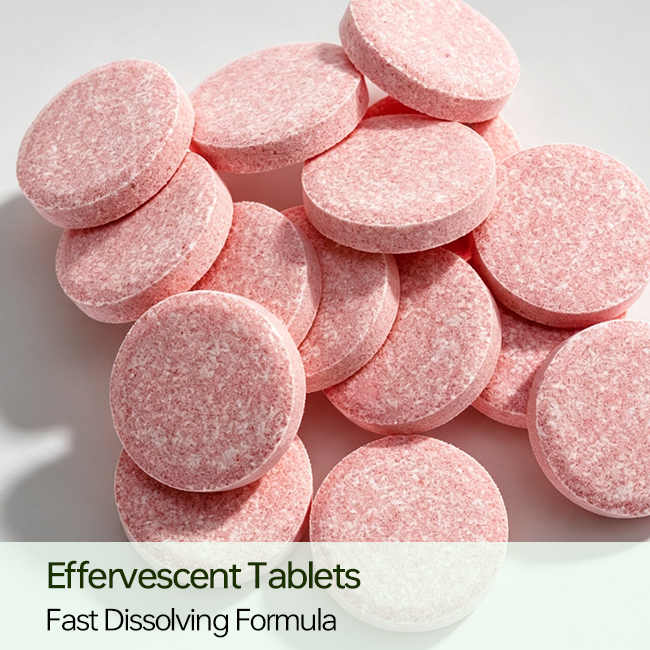
Effervescent Tablets
Effervescent tablets are designed to be dissolved in water before consumption. They may be considered for certain vitamin, mineral, and hydration-oriented product concepts.
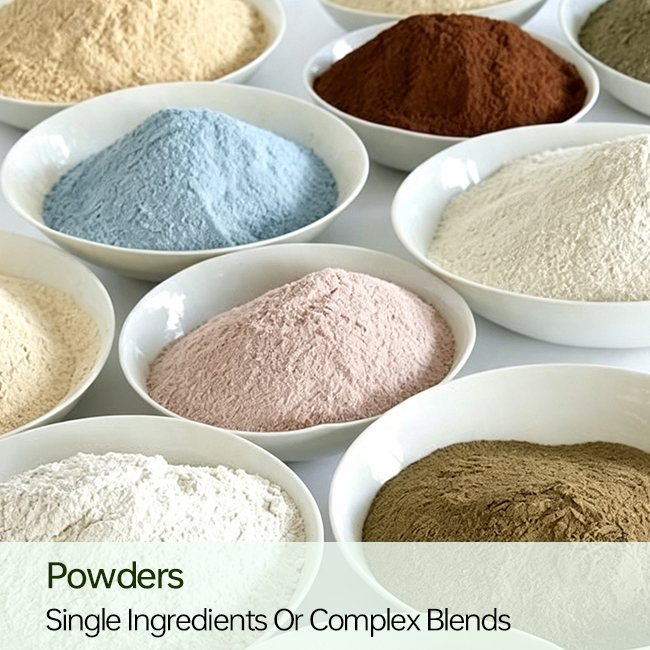
Powders
Powder supplements can be developed for different product concepts and packaging formats. Ingredient properties, flavor requirements, and intended use should be discussed during formulation development.
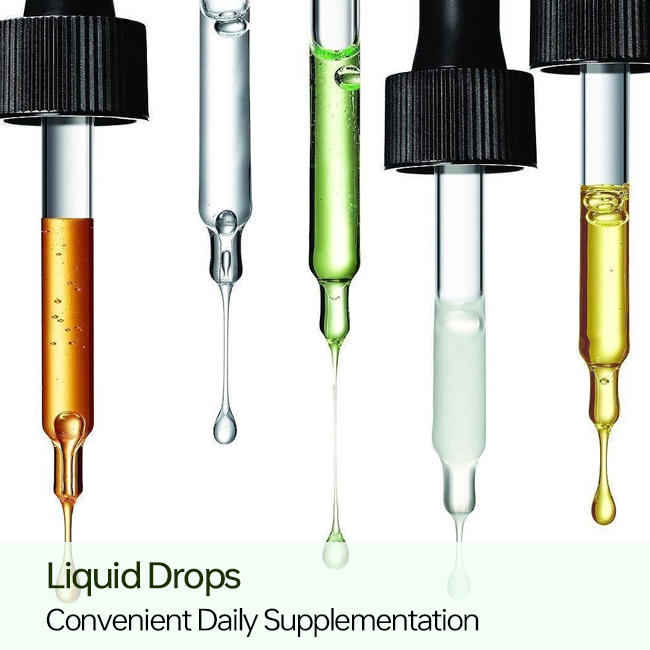
Drops and Liquids
Liquid and drop formats offer additional options for supplement brands. Their formulation, packaging, and product stability requirements should be evaluated according to the specific product.
The availability of a dosage form does not automatically confirm that every formula can be manufactured in that format. Buyers should discuss ingredient compatibility, technical feasibility, and project requirements with the supplier.
4. OEM and ODM Supplement Services
OEM and ODM services allow supplement brands to work with a manufacturing partner instead of establishing their own production facilities.
Guangzhou Meichuntang Biotechnology Co., Ltd. describes its services as covering customized formulas, packaging, private label contract manufacturing, product development, and related documentation support.
Its service approach includes several areas:
Customized Formulation
Brands can discuss product concepts and formulation requirements with the supplier. The development process may involve ingredient selection, formula discussions, and technical assessment according to the project brief.
Private Label Manufacturing
Businesses developing their own supplement brands can discuss product manufacturing and packaging arrangements based on their approved specifications.
Customized Packaging
Packaging requirements can be discussed as part of the project, including the desired product presentation and packaging format.
Product Development Support
The company states that it supports new product development according to customer requirements. The scope and feasibility of each project should be confirmed before development begins.
Documentation Assistance
The company also describes support with necessary product documents and certificates. Buyers should confirm which documents are available for their specific products, markets, and orders.
5. Formulation Development and Research Support
Product formulation is one of the key stages in supplement development.
The company introduction states that its formula resources exceed 20,000 kinds and describes a specialized technical research team, including nationally certified senior nutritionists. It also mentions cooperation with domestic and international research institutions.
For a brand developing a new product, formulation discussions should begin with a clear project brief. Useful information includes:
-
Target product category
-
Intended market
-
Ingredient preferences
-
Desired dosage form
-
Serving size and product specifications
-
Packaging requirements
-
Relevant documentation expectations
A clearly defined brief helps the supplier understand the project and assess its technical requirements.
Brands should also ensure that the final formulation is reviewed for the intended market. Ingredient permissions, product classification, labeling, and claims may vary between countries and regions. Regulatory suitability should not be assumed solely from the existence of a formula.
6. Quality Management and Certifications
Quality management and supporting documentation are important factors in supplement supplier evaluation.
The company introduction lists several certifications and management systems associated with its affiliated factory, including GMP, NSF, ISO 9001, ISO 22000, HACCP, and organic product certification. It also mentions recognition from a Market Supervision Administration.
For B2B buyers, certification names alone are not enough to establish whether a particular product or manufacturing process is covered.
Before placing an order, buyers should request the relevant certificates and verify:
-
The legal entity named on each certificate
-
The issuing or certifying organization
-
Validity dates and current status
-
The facility or site covered
-
The product categories or activities within scope
-
Whether the certification applies to the specific production arrangement
Product-specific quality documents and testing information should also be discussed according to the buyer’s requirements and destination market.
7. Supporting International Supplement Brand Projects
International supplement businesses may have different requirements depending on their sales channels, product categories, and destination markets.
A distributor may prioritize product specifications and supply coordination. A private label brand may focus on formulation, packaging, and brand presentation. An importer may need documentation and product information to support its internal review.
A practical OEM/ODM project workflow can include:
-
Share the product concept and target market.
-
Discuss the desired formula and dosage form.
-
Confirm product specifications and technical feasibility.
-
Review packaging requirements and label artwork.
-
Confirm documentation and quality expectations.
-
Agree on the project terms and production arrangements.
-
Coordinate production and delivery requirements.
The exact process will depend on the product and the responsibilities agreed between the buyer and supplier.
The company also states that it can support formula and packaging customization through to shipping, and that it offers confidentiality arrangements such as non-disclosure agreements. Buyers should confirm the applicable terms and responsibilities in writing before sharing proprietary product information.
Conclusion Discuss Your Supplement Manufacturing Requirements
Selecting an OEM or ODM supplement partner requires a clear understanding of product capabilities, formulation support, production arrangements, packaging options, and documentation.
Guangzhou Meichuntang Biotechnology Co., Ltd. provides OEM and ODM services for healthcare product businesses, with company-described capabilities covering multiple dosage forms, customized formulations, packaging, and product development support.
For brands, importers, distributors, and wholesalers planning a new supplement project, the next step is to prepare a product brief and discuss the specific requirements with the manufacturing team.
Contact Guangzhou Meichuntang Biotechnology Co., Ltd. to discuss your supplement concept, preferred dosage form, formulation needs, and private label packaging requirements.